Appointment Request
You can use this form to request an appointment.
Once received, we will check the form details and confirm appointment times with you.
We cannot guarantee an appointment without confirmation.
New Patient Registration
If you would like to register as a patient with YourGP, please fill in your details below and one of our team will be in touch.
The surprising summer surge in kidney stones
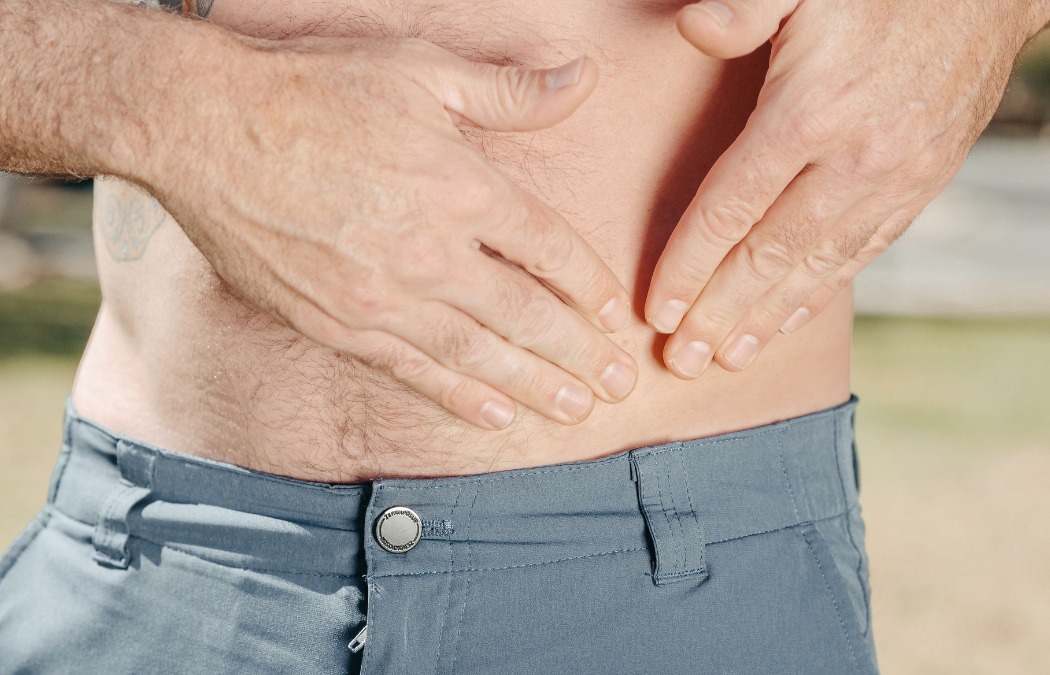
Did you know that kidney stones are much more common in the summer than in the winter? If that fact took you by surprise and you don’t want your season of beach trips, barbecues and blissful sunny days to be blighted by severe pain, it’s best to swot up on the science behind kidney stones so you can take steps to prevent them.
What are kidney stones?
Kidney stones are hard deposits of salts and minerals that form inside your kidneys. They are the result of waste products collecting and crystallising, and they can vary in size from a grain of sand up to a golf ball. When the stone moves from the kidney to the ureters (the tubes that connect the kidneys to the bladder) it can cause blockages and severe pain.
They are highly common and affect roughly 1 in 10 people at some point in their life. They can affect anyone, however they are more common in men and tend to affect people aged 30 to 60.
What causes kidney stones?
Dehydration is a big factor. If you don’t drink enough water to dilute waste products, they can crystallise and grow in size. Having a diet that is high in salt, sugar or animal protein can also increase the concentration of minerals such as calcium in the urine.
What are the symptoms of kidney stones?
Kidney stones often lie undetected in the kidneys but then start to cause issues when they move into the ureters. Here, patients usually experience some of all of the following symptoms:
- Sharp pain in the side of the abdomen or back
- Nausea and vomiting
- Blood in the urine
- An urgent need to pee
Why are kidney stones more common in the summer?
Around 80% of kidney stones are calcium-based. Our bodies produce more calcium in the winter, so kidney stones often start to form in winter but remain undetected until they grow larger and move by the time it gets to summer.
Dehydration during the warmer summer months can also exacerbate the problem. Plus, increased exposure to the sun in the summer months boosts our vitamin D levels, which can temporarily alter how our bodies process calcium, increasing the risk of kidney stones forming.
How are kidney stones treated?
Kidney stones vary in terms of size, location and composition, so treatment will vary from person to person. If the stone is small enough, the patient may be able to pass it naturally, as long as they have enough fluids.
If the stone is larger and causing a blockage, surgery will be required and this can take the form of sound-wave lithotripsy, laser surgery or keyhole surgery.
How can you prevent kidney stones?
The best way to avoid kidney stones is to stay hydrated. Aim for 2-3 litres of water each day and ensure your urine is pale and clear. This is particularly important during the summer months when we lose more fluids through sweating. In addition, balance your diet by limiting salt, sugar and animal proteins.
Speak to the health experts
If you would like more tailored advice on how to look after your health this summer, and indeed all year round, book an appointment with one of our medical professionals. You can do so via our simple online booking system, by emailing reception@your.gp, or by calling us on 0131 556 2525 and we’ll be happy to arrange an appointment at a time that suits you.
Needed to arrange an offshore medical fairly quickly and they fitted me in the same day. The entire experience from initial enquiry to consultation was first class! I would highly recommend YourGP in Edinburgh to anyone looking for superb service and professional healthcare. I will certainly be using them from now on.
YourGP is regulated by Healthcare Improvement Scotland – the regulator for independent healthcare services across Scotland. Healthcare Improvement Scotland accepts complaints at any time. Contact them at:
Independent Healthcare Team
Gyle Square | 1 South Gyle Crescent | Edinburgh | EH12 9EB
his.ihcregulation@nhs.scot
YourGP is registered with the Joint Council of Cosmetic Practitioners (JCCP) Registered Office: Station Road, North Street, Havant PO9 1QU.