Appointment Request
You can use this form to request an appointment.
Once received, we will check the form details and confirm appointment times with you.
We cannot guarantee an appointment without confirmation.
New Patient Registration
If you would like to register as a patient with YourGP, please fill in your details below and one of our team will be in touch.
Myth-busting flu facts
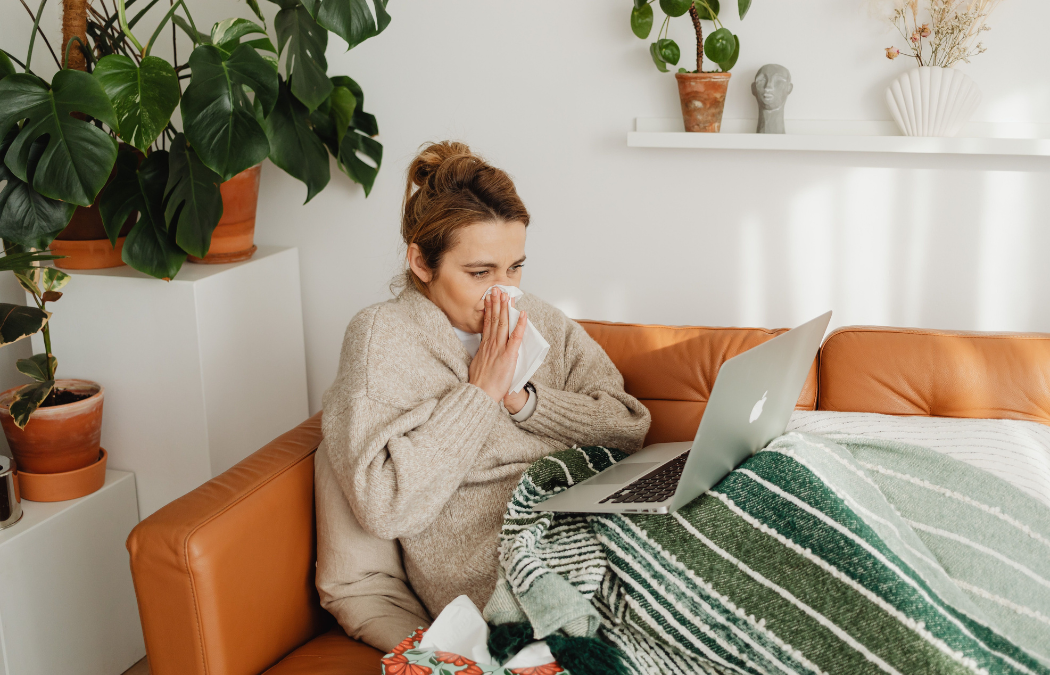
It’s that time of year again when coughs and colds start circulating. Sadly, it’s also the time of year again that social media misinformation starts circulating, hampering our fight against the flu. From “old wives’ tales” to anti-vax theories, the medical experts at YourGP are here to dispel five harmful myths about this dangerous infection.
MYTH: “The flu is just a bad cold”
The flu may cause many similar symptoms to the common cold, such as a sore throat, runny nose, coughing and sneezing, however, the flu virus can be much more serious. It can make chronic medical problems worse and it can trigger an extreme inflammatory response in the body and lead to sepsis.
Those most at risk include pregnant women, people with pre-existing long term medical conditions e.g., COPD, asthma, heart and kidney problems, and those with lowered immunity due to disease or medication e.g., long term steroids and chemotherapy.
So whilst most people recover from the common cold within 7-10 day, the flu virus kills 11,000 people and hospitalises thousands more every year, showing just how much more serious it is.
MYTH: “You can catch the flu from going out in cold weather without a coat”
The only way to catch the flu is by being exposed to the influenza virus either through airborne droplets spread by someone with the infection coughing or sneezing, by touching contaminated surfaces, or by direct contact such as shaking hands with someone with germs on their hands.
The flu season coincides with the winter months, but the cold weather does not cause the flu.
MYTH: “You don’t need to get the flu vaccine every year”
The influenza virus mutates each year, therefore the formula of the flu vaccine is changed each year to target the strains predicted to be most prevalent that season. Last year’s vaccine won’t give you the immunity needed to fight the most recent strain, so it is important to keep up to date with your vaccinations.
MYTH: “You can catch the flu from the vaccine”
The flu vaccine is made from an inactivated virus that cannot transmit infection, therefore you cannot catch the flu from the vaccine. Some people may experience side effects after getting their vaccine, such as a mild fever, muscle aches or a headache, but these symptoms should subside after just a day or two.
MYTH: “Feed a cold, starve a (flu) fever”
One of the most common symptoms of the flu is a fever, however “starving” yourself is never a good idea and will most likely prolong your sickness. Instead, focus on nourishing your body with healthy food – that means lots of fresh fruit and vegetables, a good balance of protein, carbohydrates, fibre and fats to build up your strength, and of course plenty of fluids.
Top five ways to protect yourself from the flu this winter
There are a number of things you can do to reduce your risk of catching the flu:
- Practice good personal hygiene, washing your hands thoroughly and regularly.
- Clean high-touch surfaces such as phones, door handles and countertops regularly.
- Limit your time spent around those who are ill.
- Eat a healthy, varied diet rich in vitamins and minerals, get 7-9 hours sleep per night and stay active to give your immune system the best chance of fighting off any infection.
- Get vaccinated. Appointments for the flu vaccine will be available to book at YourGP from October. Choose a date and time that suits you via our simple online booking system, or you can email reception@your.gp or call us on 0131 225 5656 and we’ll be happy to take care of everything for you.
The facilities and patient service are second to none. The treatment I received for my eczema was innovative, holistic and most importantly highly effective. My skin has responded to the treatment I was prescribed. I am delighted with the resultant, significant reduction in my symptoms. I was impressed by the caring, sensitive and professional treatment I received. This was in stark contrast to my experience at my usual GP and at private consultations with supposedly eminent and specialist dermatologists. Thank you.
YourGP is regulated by Healthcare Improvement Scotland – the regulator for independent healthcare services across Scotland. Healthcare Improvement Scotland accepts complaints at any time. Contact them at:
Independent Healthcare Team
Gyle Square | 1 South Gyle Crescent | Edinburgh | EH12 9EB
his.ihcregulation@nhs.scot
YourGP is registered with the Joint Council of Cosmetic Practitioners (JCCP) Registered Office: Station Road, North Street, Havant PO9 1QU.