Appointment Request
You can use this form to request an appointment.
Once received, we will check the form details and confirm appointment times with you.
We cannot guarantee an appointment without confirmation.
New Patient Registration
If you would like to register as a patient with YourGP, please fill in your details below and one of our team will be in touch.
Trying for a baby and navigating infertility
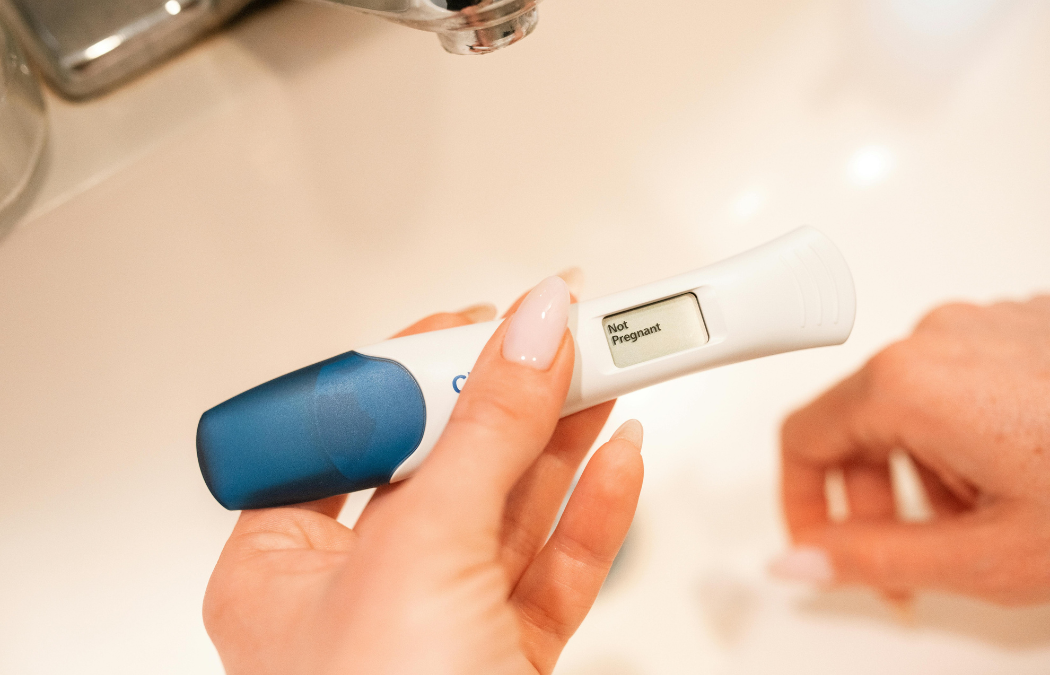
Deciding to have a baby and envisioning your future life together as a family can be an exciting time. But when weeks of trying turn to months and even years with no success, that hope and excitement can turn to confusion, frustration and heartache.
Approximately 1 in 7 couples in the UK are affected by infertility. That equates to around 3.5 million people. And yet despite how relatively common it can be, those struggling with infertility often describe it as a painfully lonely experience. Being surrounded by pregnancy announcements, gender reveals and baby showers, or intrusive questions from friends and family about when you plan to have children can be a lot to handle. But the health experts at YourGP are here to help and support you, wherever you are in your fertility journey.
5 ways to improve your chances of conceiving
For those beginning to think about trying for a baby, there are several lifestyle changes you can make to maximise your chances of conceiving. They include:
- Improve your diet: Both partners should eat a balanced, nutritious diet to help optimise the quality of the egg and sperm.
- Cut out the caffeine: Caffeine has been found to adversely affect sperm count and motility, and increase sperm abnormalities. Plus, studies have shown that drinking just one cup of coffee per day can increase the risk of miscarriage by up to 50%. For this reason, it’s best to switch to decaf tea and coffee and avoid drinking caffeinated fizzy drinks whilst trying to conceive.
- Ditch the alcohol: For women, alcohol can affect the hormonal balance and negatively impact nutrient stores. For men, alcohol can have an adverse effect on sperm count, motility and quality. It is therefore a good idea for both partners to stop drinking when trying for a baby.
- Manage your stress levels: Stress causes your body to go into ‘fight-or-flight’ mode, triggering the release of stress hormones such as cortisol and adrenaline. These can have a negative effect on hormone balance and nutrient levels. Whilst some stress is completely unavoidable in life, activities such as meditation, yoga and breathing exercises can help to keep stress at a manageable level.
- Limit environmental toxins: Exposure to toxins found in things such as pesticides and plastics has been shown to affect hormone balance and sperm production. One way to help negate these effects is to opt for organic fruit and veg where possible.
How is infertility defined?
For many couples, adopting the steps above can significantly boost their chances of conceiving. For others however, a little more help may be required.
Infertility is generally defined as being unable to conceive after 12 months of trying. For those aged over 35, this time period is reduced to six months.
Secondary infertility refers to the struggle to conceive after already having a child.
What are the most common causes of infertility?
Infertility can be caused by a variety of factors including hormonal issues, ovulation problems and poor sperm quality. Sometimes these issues can be pinpointed and treated, and sometimes all standard fertility tests return normal results and so the infertility is regarded as “unexplained”.
How is infertility treated?
Some couples may not be able to conceive without medical assistance. That can come in a variety of forms including:
- Medication to help with ovulation.
- Surgery to unblock fallopian tubes, or treat endometriosis, fibroids or PCOS in women. Or surgery to address an epididymal blockage in the testicles in men.
- Assisted conception such as IUI or IVF.
Every case of infertility is different and couples will typically be required to undergo a range of tests before the right treatment path can be confirmed. Even then, there is no guarantee the treatment will work.
It is therefore important to understand what a huge physical, mental and emotional journey navigating infertility can be. Ideally, those hoping to conceive should have a strong support network around them, or make use of the resources and support lines provided by dedicated charities.
Speak to the health experts
If you’re trying for a baby, have questions about your fertility or worries about potential issues, book an appointment with one of our medical professionals. You can do so via our simple online booking system, by emailing reception@your.gp, or by calling us on 0131 556 2525 and we’ll be happy to arrange an appointment at a time that suits you. Our highly experienced, compassionate team are here to provide help, support and medical advice whenever you need us.
I had been at this practice since late 2018. The staff have been nothing but amazing! The care given here has to be the best care I’ve ever received at any practice. Very polite, greeted with a smile and always made sure you were comfortable.
The response times are extremely quick, always on that day or early next morning, pointing you into the right direction. Even if they were unable to assist, they would always make sure you knew where to go and what to do.
Your appointments are always accommodated to your needs, some imes I was unable to make my routine appointments in person so they would happily offer a Skype call which made things easier as I live a few hours away, but was always happy to make the trip when I could as it was always a pleasant experience.
I cannot thank this practice enough for the help that they gave me, I now feel confident and comfortable with myself and I would definitely recommend their services!
YourGP is regulated by Healthcare Improvement Scotland – the regulator for independent healthcare services across Scotland. Healthcare Improvement Scotland accepts complaints at any time. Contact them at:
Independent Healthcare Team
Gyle Square | 1 South Gyle Crescent | Edinburgh | EH12 9EB
his.ihcregulation@nhs.scot
YourGP is registered with the Joint Council of Cosmetic Practitioners (JCCP) Registered Office: Station Road, North Street, Havant PO9 1QU.