Appointment Request
You can use this form to request an appointment.
Once received, we will check the form details and confirm appointment times with you.
We cannot guarantee an appointment without confirmation.
New Patient Registration
If you would like to register as a patient with YourGP, please fill in your details below and one of our team will be in touch.
What’s all the fuss about protein?
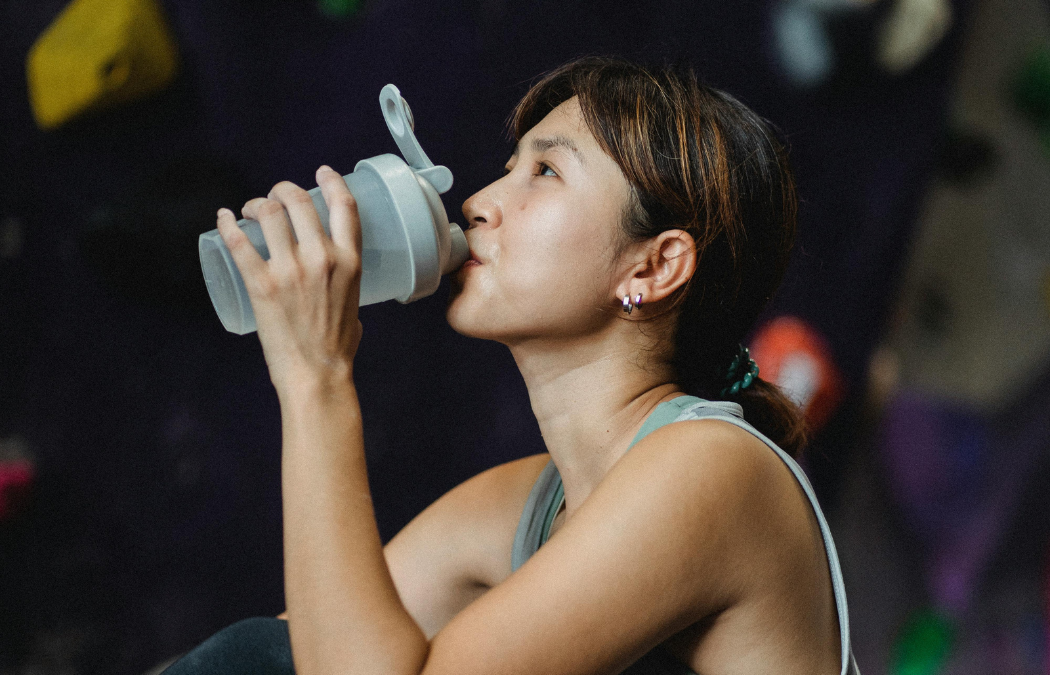
Anyone who has stepped foot in a supermarket recently will no doubt have noticed the barrage of product packaging that screams “high protein!” What was once subtly listed on the back of packets is now the USP for many items. So is this just a food fad, or is there real substance to this new-found focus on protein? The health experts at YourGP delve beneath the packaging to answer some of your most common questions about protein.
Why do we need protein?
Protein is an essential macronutrient which supports your body in a huge range of ways, from muscle growth and repair, to metabolic function, hormone regulation and immune support.
What foods are high protein?
Protein can be found in meat, fish, eggs, and dairy products such as milk, cheese and yoghurt. For those following a plant-based diet, you can find it in beans, lentils, nuts, seeds, and soy products such as tofu. And of course, there’s now a wider range of protein powders, shakes and bars available than ever before.
What happens if I don’t consume enough protein?
Not consuming enough protein can lead to muscle weakness, increased susceptibility to injury and illness, and difficulty repairing tissues.
What happens if I consume too much protein?
Eating too much protein can lead to weight gain and digestive issues. There is also evidence to suggest that excessive protein intake can accelerate kidney damage in people with pre-existing chronic kidney disease.
Getting the balance right
The average adult should aim for roughly 0.75 – 1g of protein per kilogram of body weight. The key is to spread this out throughout the day and include it as part of a healthy, well-balanced diet. It is also important to couple it with good hydration and healthy lifestyle habits such as regular exercise.
More than a food fad
Being aware of your protein intake is especially important for anyone working towards a fitness goal, as it can make all the difference to injury prevention and recovery. It is also a key thing to bear in mind if you’re trying to lose weight, as protein can help you feel fuller for longer, therefore helping you to avoid caving in to cravings.
And finally, optimising your protein consumption is essential for any woman going through perimenopause or menopause, as it can help to counteract the rapid loss of muscle mass and bone density caused by falling oestrogen levels during this time.
Speak to the experts
If you would like tailored help and advice on how to optimise your diet, book an appointment with one of our medical professionals. You can do so via our simple online booking system, by emailing reception@your.gp, or by calling us on 0131 225 5656 and we’ll be happy to arrange an appointment at a time that suits you.
Just a massive thank you for being so willing to help us out. I was kept up to date in all email communication between the two clinics which I found very reassuring. I honestly can not emphasize enough how grateful we both are that the clinic was able to help us out with the Zita West fertility tests. We really did not know what we were going to do after the mix up with the blood collection dates due to the 4th of July in America and really thought we would have to give up on these tests so it means a massive amount to us that we have been able to proceed with them because of your willingness to help us out. Thank you again.
YourGP is regulated by Healthcare Improvement Scotland – the regulator for independent healthcare services across Scotland. Healthcare Improvement Scotland accepts complaints at any time. Contact them at:
Independent Healthcare Team
Gyle Square | 1 South Gyle Crescent | Edinburgh | EH12 9EB
his.ihcregulation@nhs.scot
YourGP is registered with the Joint Council of Cosmetic Practitioners (JCCP) Registered Office: Station Road, North Street, Havant PO9 1QU.